
We Turned Normal Discomfort into a Diagnosis — and Someone Made a Lot of Money Doing It
The neuroscience of why protecting people from stress is the most reliable way to make them fragile


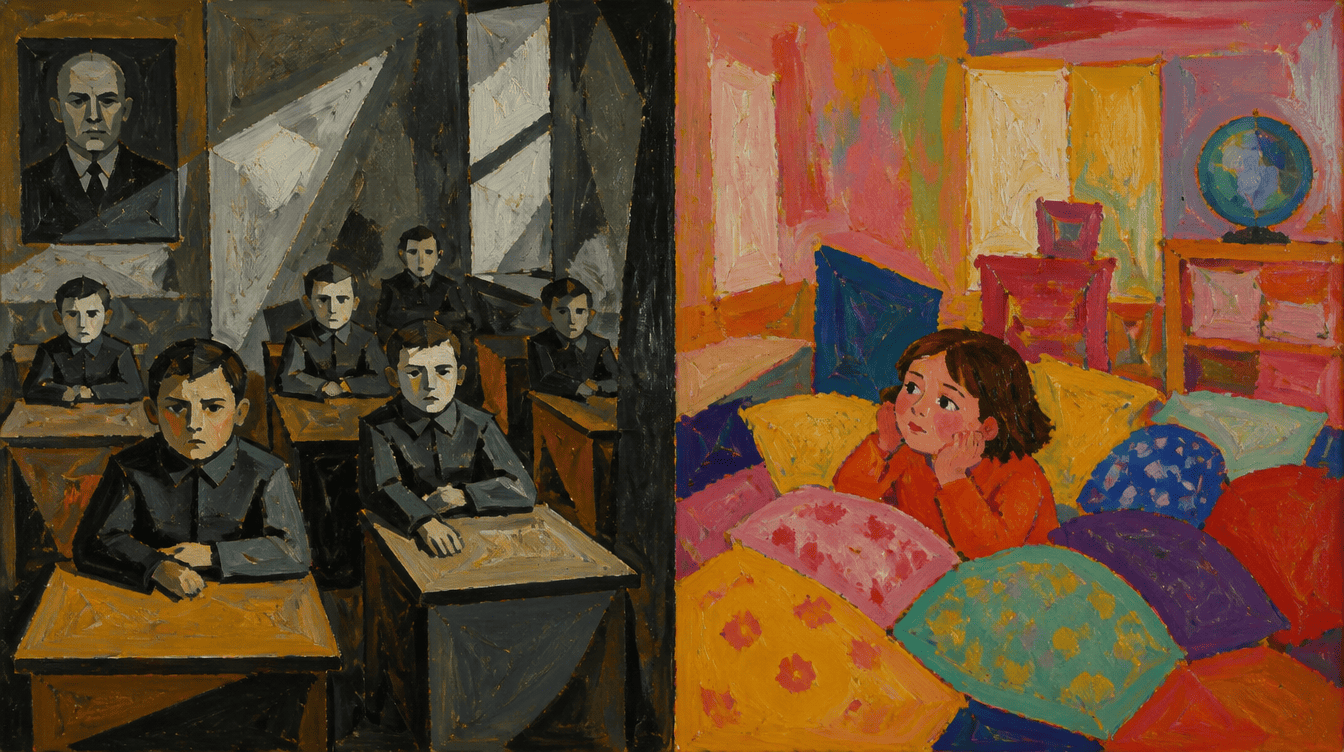
Not long ago, I came across a European news segment about children complaining of stress from school exams. Journalists were treating it seriously. Psychologists were being interviewed. Children with anxious faces bent over textbooks filled the screen.
And I suddenly remembered my own school.
Classic post-Soviet space. The teacher kept the classroom in a state of mild terror. There was no room to complain about stress — no room to even acknowledge feeling uncomfortable. You were either an excellent student or a loser. No middle ground. You suffered in silence, and ideally not at all, because discomfort was weakness.
Both systems are wrong. But they fail in opposite directions from the same point. And that point is a fundamental misunderstanding of what stress actually is.
Birth as the First Test
Let’s start at the very beginning.
What is the act of birth for a child who has spent nine months in the womb — warm, dark, safe, with no hunger and the constant rhythm of a mother’s heartbeat? Labor is physical trauma. A sudden change in pressure, temperature, sensory load. The first thing a newborn does — is scream.
We can debate whether it’s a cry of pain or surprise. But factually, it’s the first independent act of a living being who has just been forced to leave its comfort zone. Literally.
No neonatologist considers this pathological. On the contrary — if the baby doesn’t cry, that’s the warning sign. The first stress is proof the system has started.

Two Stresses. One Label.
In 1974, endocrinologist Hans Selye — the man who introduced the word “stress” into the medical vocabulary — published a distinction that somehow never made it into popular culture. In his book Stress without Distress, he separated two fundamentally different states.
Distress — chronic, paralyzing strain that destroys the system. War. Toxic relationships. Constant threat to survival.
Eustress — short-term discomfort that accompanies growth. Learning a new language. A difficult exam. Your first public speech. The gym.
Both states activate cortisol and adrenaline. But the difference lies in duration, intensity, and context. And that difference is fundamental at the level of brain biochemistry.
Short-term cortisol spikes stimulate neuroplasticity — they literally strengthen the hippocampus, the region responsible for memory and learning. Chronic cortisol without recovery does the opposite, damaging those same structures. One hormone. Opposite consequences. Everything depends on dosage and rhythm.
But contemporary culture collapsed both under a single word — “stress” — and attached a single label: bad, avoid.
The Brain Is an Efficiency Machine, Not a Comfort Machine
To understand why eustress is necessary, you need to understand the brain’s basic logic.
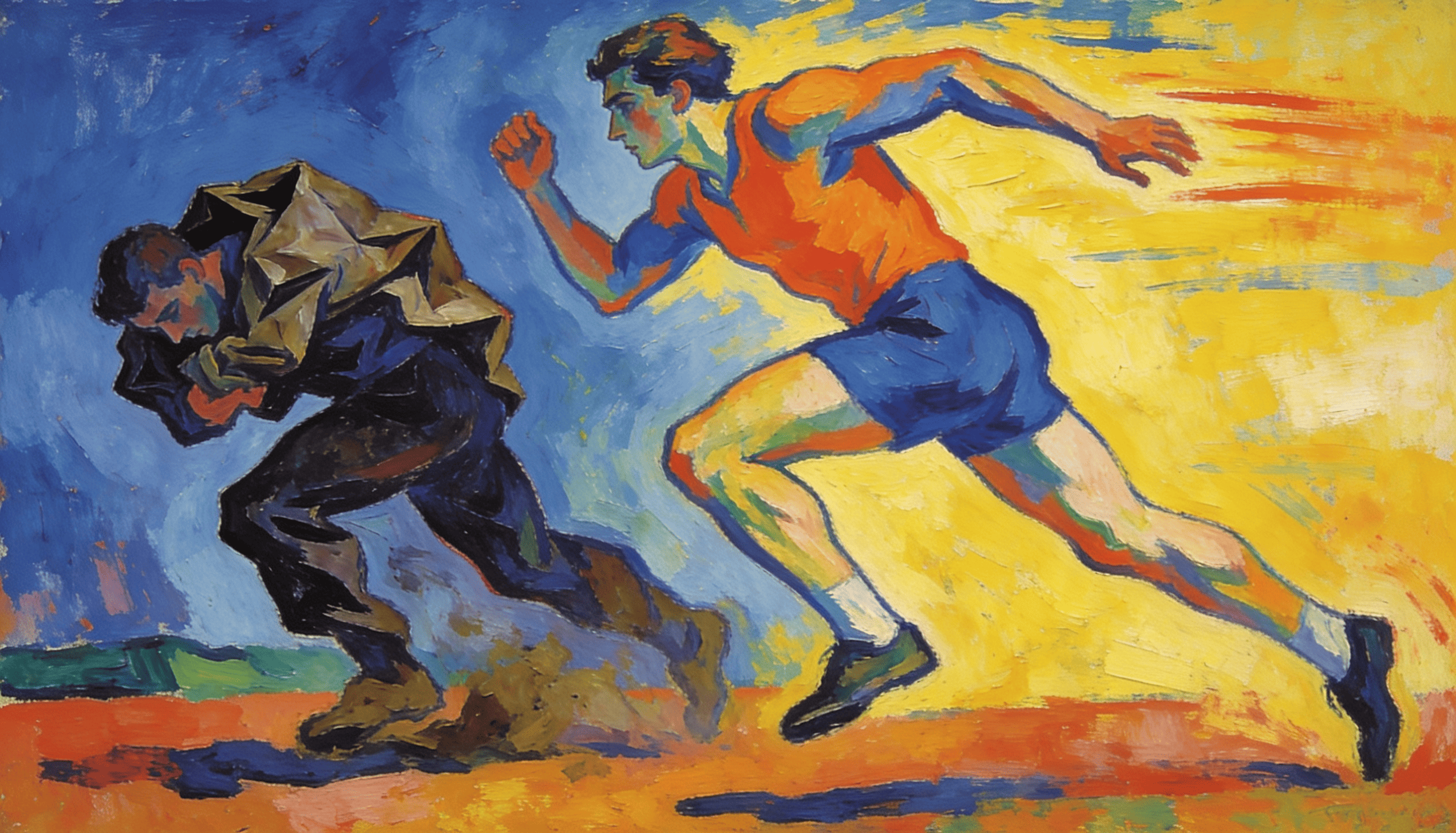
The brain is not an organ for thinking. It’s an organ for survival at minimum energy cost. Its primary function is to cut off everything that isn’t critically necessary right now. A new task, an unfamiliar context, an uncomfortable thought — all of these are “unnecessary expenditure.” The brain will sabotage them with inertia, procrastination, boredom.
When did you last begin something completely new and immediately feel pure excitement — no anxiety, no urge to postpone, no feeling of “not being ready yet”? If it ever happened, it was rare. Because discomfort at the start of something new isn’t a sign that something went wrong. It’s the normal resistance of an energy-efficient brain against spending resources.
But overcoming that resistance is precisely what triggers the key neurobiological mechanism of growth: myelination. Every time we repeat a difficult action in spite of discomfort, the brain wraps the corresponding neural pathway in myelin — a fatty sheath that speeds up signal transmission. Literally: difficulty builds the brain’s infrastructure. No discomfort — no myelin. No myelin — no skill. No skill — just the illusion that you’re “simply not capable of this.”

The Solution That Became the Problem
As a species, we have one persistent pattern: we either ignore a problem entirely, or — once we decide to solve it — the mechanism of the solution eventually becomes a new problem.
The hygiene hypothesis in immunology is the textbook example. In the twentieth century, humanity made a genuine breakthrough: antibiotics, vaccines, aseptic conditions. Child mortality fell. That was a real achievement. But then sterile environments became the norm, and the immune systems of children who had never encountered real pathogens began attacking their own organisms. The sharp rise in allergies, asthma, and autoimmune diseases in developed countries from the 1980s onward is partly a consequence of too-clean surroundings. We removed the discomfort — and weakened the mechanism.
The same dynamic is happening with stress in the psychological dimension.
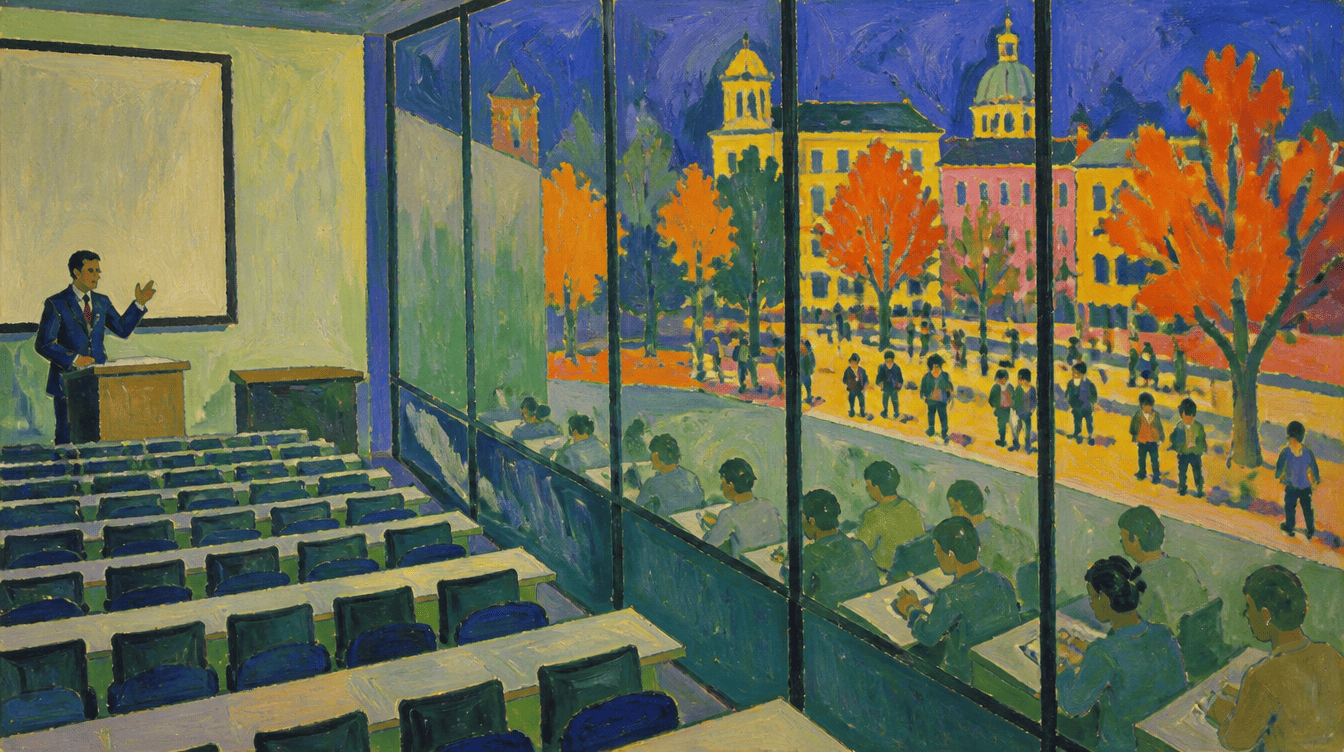
Jonathan Haidt and Greg Lukianoff documented this in The Coddling of the American Mind (2018): American university administrations began shielding students from ideas that cause discomfort — trigger warnings, safe spaces, bans on lecturers with inconvenient views. The logic was simple: less stress equals less anxiety. The result was the opposite. Rates of anxiety disorders among students didn’t fall — they rose sharply. Because a brain that has never been allowed to encounter anxiety and overcome it on its own never learns to regulate anxiety. It becomes more sensitive to it, not less vulnerable.
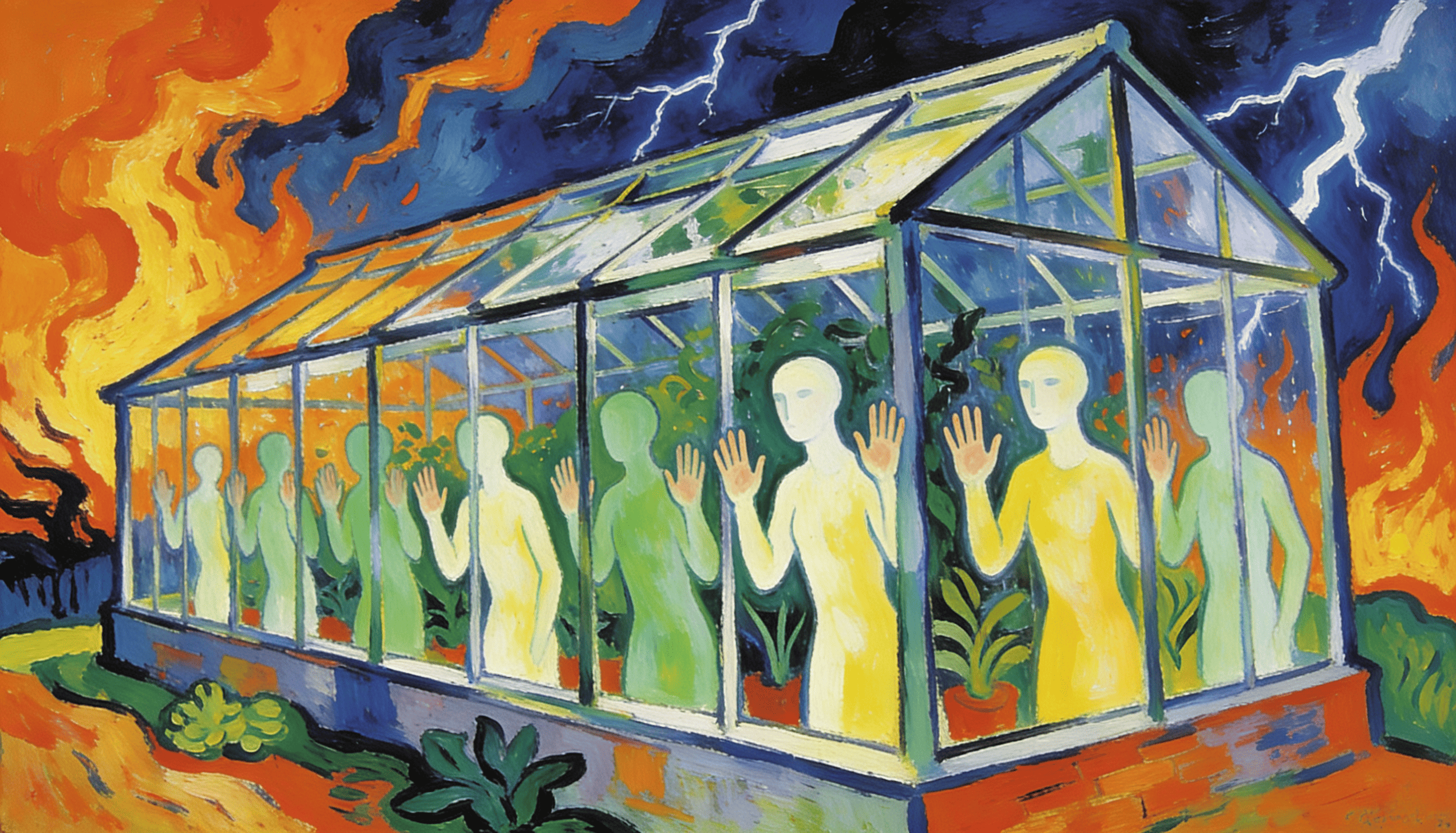
The same applies to parenting. Overprotective parenting sends a child one implicit message: “the world is dangerous and you can’t handle it without me.” This literally forms a hyperactive amygdala — a brain running in permanent threat mode. In trying to remove distress, parents program it in.
Antifragility: Stress as Resource, Not Risk
Nassim Taleb introduced a concept that describes this logic more precisely than “resilience.” Resilience is the ability to return to a baseline state after a blow. Antifragility is when a system becomes stronger after the blow.
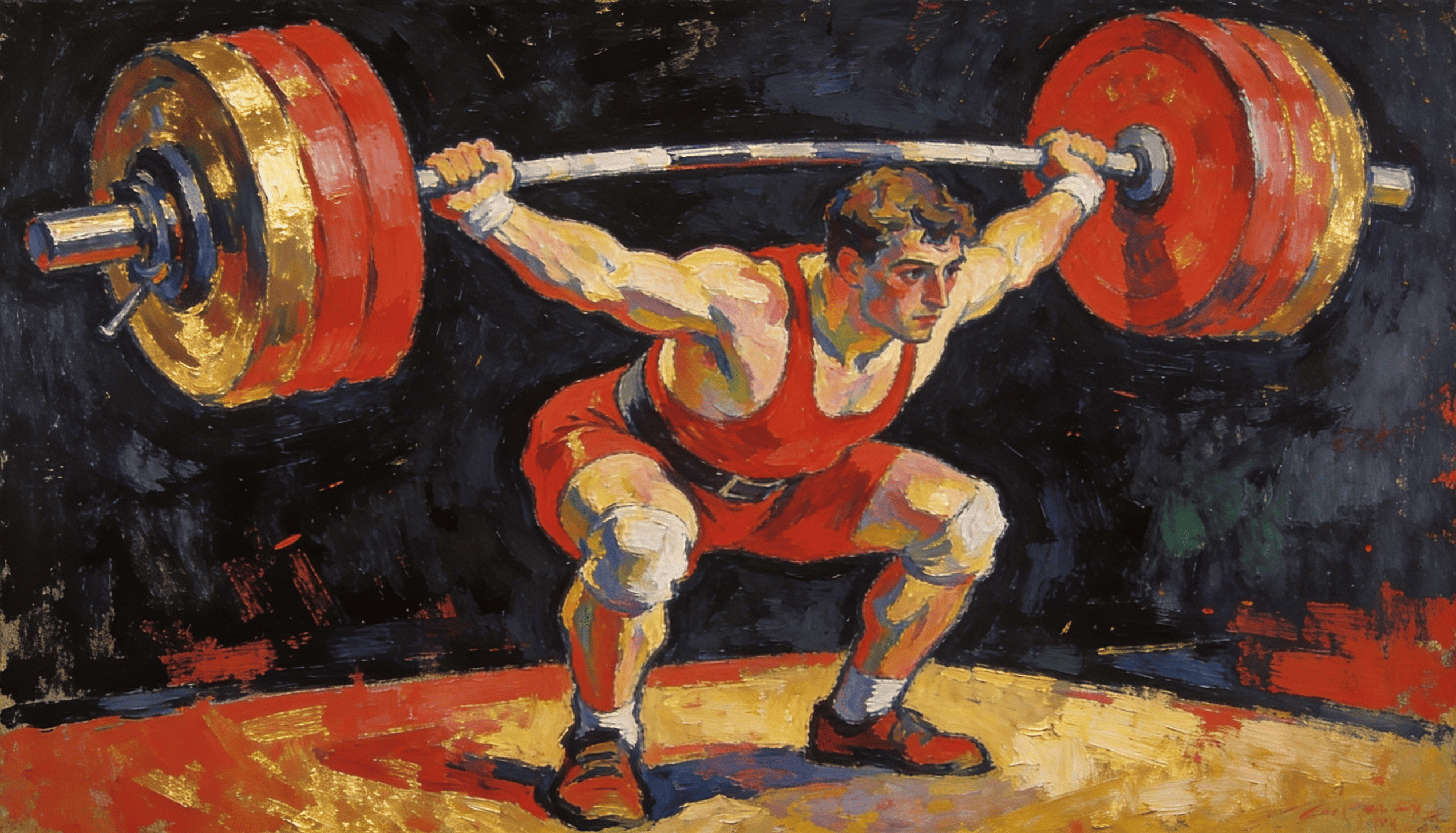
Bone becomes denser after a microfracture. The immune system becomes more competent after contact with a pathogen. A muscle becomes larger after its fibers are damaged. Sports science has a precise term for this: supercompensation. After load, the body recovers not to its previous level but above it. But only if the load was in the right range — large enough for adaptation, not large enough for injury. Too little: no adaptation. Too much without recovery: breakdown.
This is the difference between eustress and distress — not a moral judgment, but a physiological law. And anyone who goes to the gym already understands this intuitively. Nobody just never told them the same logic applies to the brain, emotions, and skills.
Who Profits from Your Fear of Stress
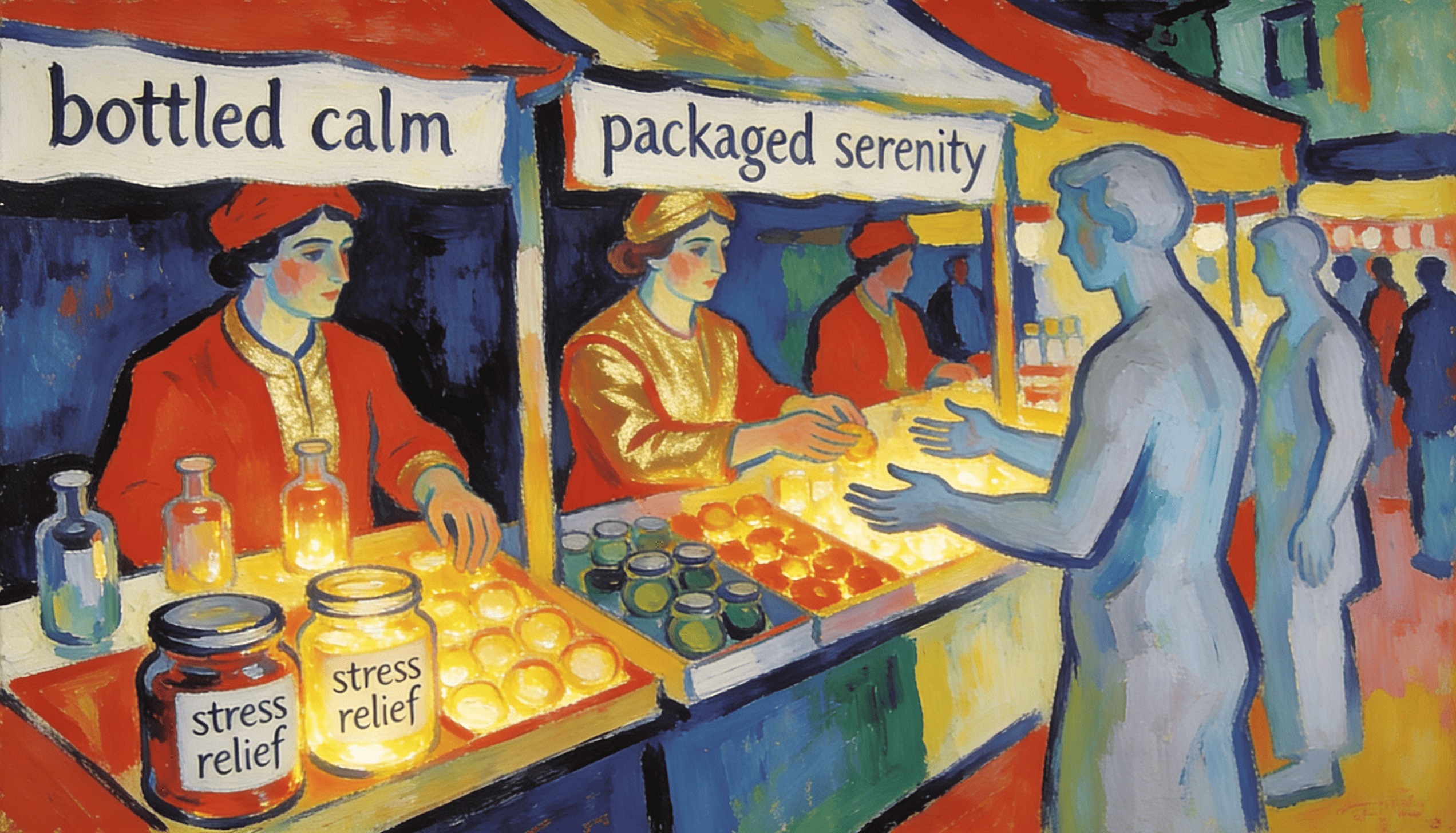
The global wellness economy reached $5.6 trillion in 2022. By 2024, it had grown to $6.8 trillion — four times the size of the pharmaceutical industry.
A significant portion of this market is built not on treating genuine disorders — but on monetizing normal discomfort. “Mental health days” instead of a difficult deadline. Meditation apps as a way to avoid a thought that needs to be thought through. Coaching for people who don’t need support — they need direct feedback.
This isn’t a critique of psychotherapy. Psychotherapy saves lives. It’s a critique of a culture that relabeled the discomfort of growth as pathology — and discovered you can make very good money doing that.
The logic of incentives is simple: if normal growth-related discomfort can be reclassified as a disorder, you get an infinite market of patients. DSM-I (1952) listed 106 diagnoses. By DSM-IV (1994), that number had reached 297. Part of this was genuine scientific refinement. Part was the gradual expansion of the boundary of “normal” to the point where almost anyone, at almost any moment of their life, can find a diagnosis that fits.
And they do. And they start treating what was supposed to grow them.
The Study That Will Surprise You
In 2012, researchers at the University of Wisconsin-Madison published a study tracking 30,000 American adults over eight years. Participants were asked about their stress levels — and whether they believed stress was harmful to health.
The result: people with high stress levels did have an elevated risk of dying. But only if they believed stress was harmful. People with the same stress levels but without that belief had a risk of death below the population average — lower even than people reporting very little stress.
Stanford psychologist Kelly McGonigal brought this study to global attention in her 2013 TED talk and her 2015 book The Upside of Stress. The researchers estimated that over those eight years, 182,000 Americans may have died prematurely — not from stress, but from the belief that stress was killing them. That would make it the 15th leading cause of death in the United States — ahead of skin cancer, HIV/AIDS, and homicide.
The belief that stress kills — kills more than stress.
Not because thoughts are “material” in any mystical sense. But because belief shapes behavior: a person who sees stress as a threat avoids situations that trigger it. A person who sees stress as a signal of growth moves toward them. Over time, these two trajectories lead to fundamentally different places.
Instead of a Conclusion
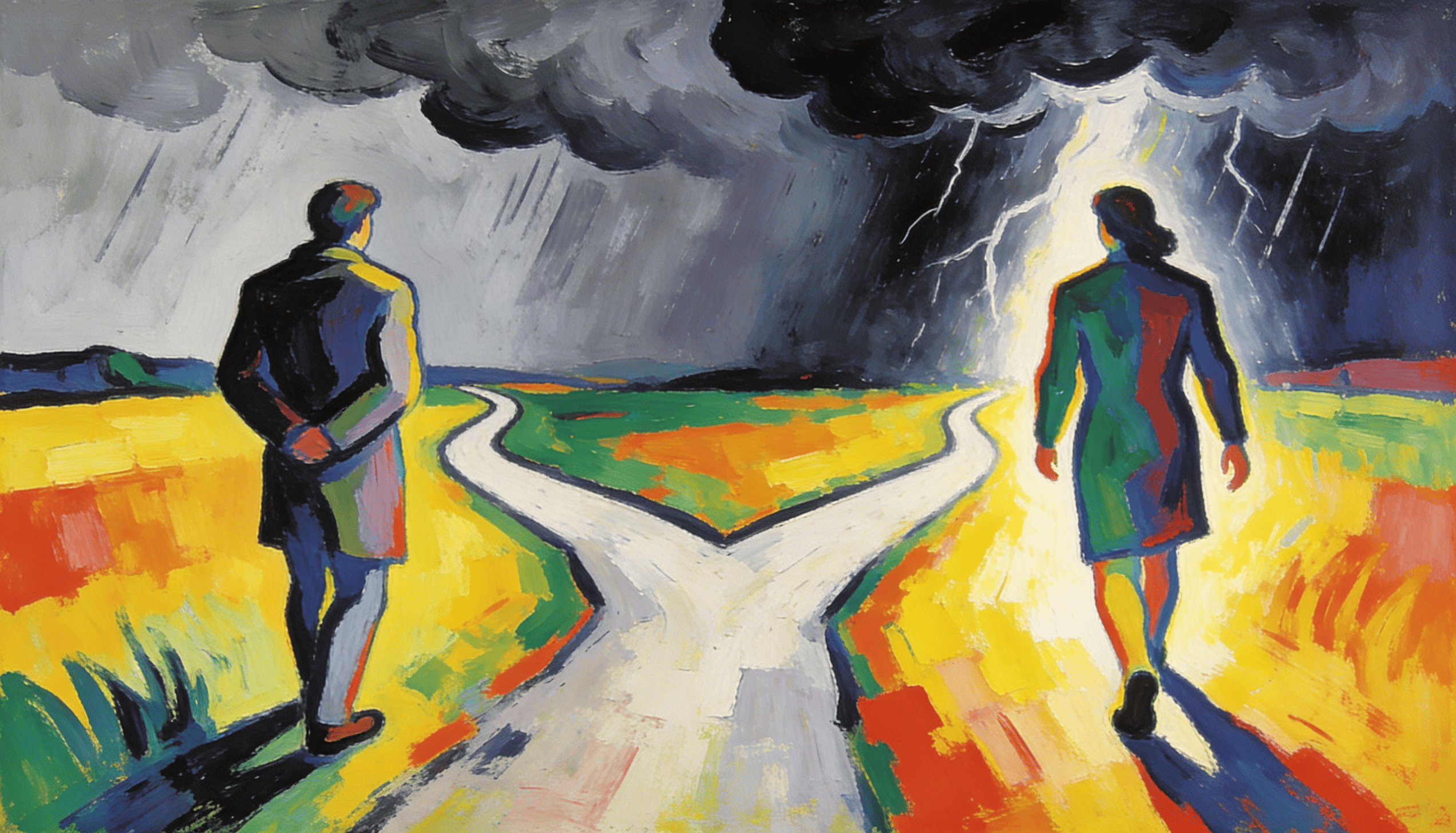
The post-Soviet school was wrong. Ignoring distress and normalizing terror isn’t building resilience. It’s trauma masquerading as discipline.
But contemporary culture is wrong in the other direction — and in some ways more insidiously so. It doesn’t ignore suffering. It’s hyperattentive to it. It assigns it clinical status and sells solutions. And in doing so, it deprives people of the chance to discover the simplest thing: that they’re capable of handling it.
The brain is built to grow through discomfort. This isn’t motivational copy — it’s neurobiology. Myelin doesn’t grow in a state of rest. The immune system doesn’t strengthen in a sterile box. A muscle doesn’t grow without load.
We are the first generation in history attempting to raise people without the experience of overcoming. And we’re surprised when they break at the first real encounter with reality.
The question isn’t how to get rid of stress. The question is whether we still know how to tell apart the kind that kills us from the kind that builds us.

Medical Disclaimer
This article is for informational purposes only and does not constitute medical advice. If you are experiencing chronic stress, anxiety, or any mental health symptoms, please consult a qualified healthcare professional. Nothing here is a substitute for professional diagnosis or treatment.
References
Selye, H. (1974). Stress without Distress. Philadelphia: Lippincott.
Selye, H. (1976). Stress in Health and Disease. Boston: Butterworths.
Keller, A., Litzelman, K., Wisk, L. E., Maddox, T., Cheng, E. R., Creswell, P. D., & Witt, W. P. (2012). Does the perception that stress affects health matter? The association with health and mortality. Health Psychology, 31(5), 677–684.
McGonigal, K. (2015). The Upside of Stress: Why Stress Is Good for You, and How to Get Good at It. Avery.
McGonigal, K. (2013). How to Make Stress Your Friend. TED Global.
Haidt, J., & Lukianoff, G. (2018). The Coddling of the American Mind. Penguin Press.
Taleb, N. N. (2012). Antifragile: Things That Gain from Disorder. Random House.
Strachan, D. P. (1989). Hay fever, hygiene, and household size. BMJ, 299(6710), 1259–1260. [Original hygiene hypothesis paper]
American Psychiatric Association. (1952). Diagnostic and Statistical Manual of Mental Disorders (1st ed.). — (1994). DSM-IV. — (2013). DSM-5.
Global Wellness Institute. (2023). Global Wellness Economy Monitor 2023. globalwellnessinstitute.org
Global Wellness Institute. (2025). Global Wellness Economy Monitor 2025. globalwellnessinstitute.org
"The belief that stress kills — kills more than stress." This is the part that stays with me. We've built an entire economy around the idea that discomfort is a signal to stop. But the nervous system doesn't grow in the absence of resistance. It grows in the moment it decides the resistance is survivable. What we call anxiety is often just an unfinished prediction. The body asking: is this going to be okay? And the only answer it accepts is continuing anyway.
This is completely on the money, loved it 👏 really interesting comparison between the two schools of thought. “Bone becomes denser after a microfracture. The immune system becomes more competent after contact with a pathogen. A muscle becomes larger after its fibers are damaged”. It makes me think of the Japanese art of Kintsugi - forging the broken pieces of china, a bowl, or vase, back together with molten gold - making what is left stronger and more beautiful than before it was ‘broken’. It’s almost as if modern society doesn’t want us to grow and be strong…